
What Can Stop a Paternity Test from Being Used in Court?

A paternity test can provide important answers, but not every DNA test is designed for legal use. If you may need the results for child support, custody, inheritance, immigration, or another legal matter, the testing process must follow specific procedures from the start. Courts typically need DNA results linked to the correct people and supported by proper identification, sample collection, and documentation. Understanding these requirements before scheduling paternity testing in Jackson, MS can help you choose the right type of test and avoid problems when you need the results for court.
Using a Personal Paternity Test Instead of a Legal One
One of the most common issues people face in using a paternity test in court is assuming that every paternity test is a legal paternity test. Personal-use testing is meant to give you information to make important decisions or give peace of mind. However, if the results could eventually be used in court, the testing process needs to include many extra steps. It’s important to understand the differences between legal testing for court use and non-legal testing for personal information. If you’re ordering a paternity test for legal reasons, you should let the provider know this before submitting DNA samples so they can make sure proper steps are followed.
Not Verifying the Identities of People Being Tested
One important step in making a paternity test usable in court is verifying the identities of the people giving the DNA samples. A court needs to be completely sure that the DNA sample came from the person identified in the test results. This can be difficult to do with a home test, where nobody is present to complete this step. This could allow someone to send in a sample belonging to someone else while claiming it belongs to another person. Without ID verification, there’s no reliable way to know who actually provided the DNA.
Legal testing always includes identity verification for the people being tested. Depending on the circumstances, this can involve providing a government ID, photographs, fingerprints, or another form of verification. The end goal is to give the court confidence that the DNA results belong to the right people.
Not Maintaining the Chain of Custody
Chain of custody refers to the documented handling of a sample from the time it’s collected to the time results are given. Think of it as a paper trail that shows what happened to the sample and who was responsible for it at every step. If there are gaps in that paper trail, questions and doubts can arise about whether the sample may have been switched, contaminated, mishandled, or otherwise compromised so that the results aren’t accurate.
For legal testing, a professional will document the collection, verify IDs, seal the samples, and follow steps to protect each sample’s integrity. Again, verifying all of these steps and the chain of custody isn’t possible without a lab technician present. No matter how clear a DNA result is, a court can still have doubts if there’s not a clearly documented chain of custody.
Necessary Paperwork Is Missing
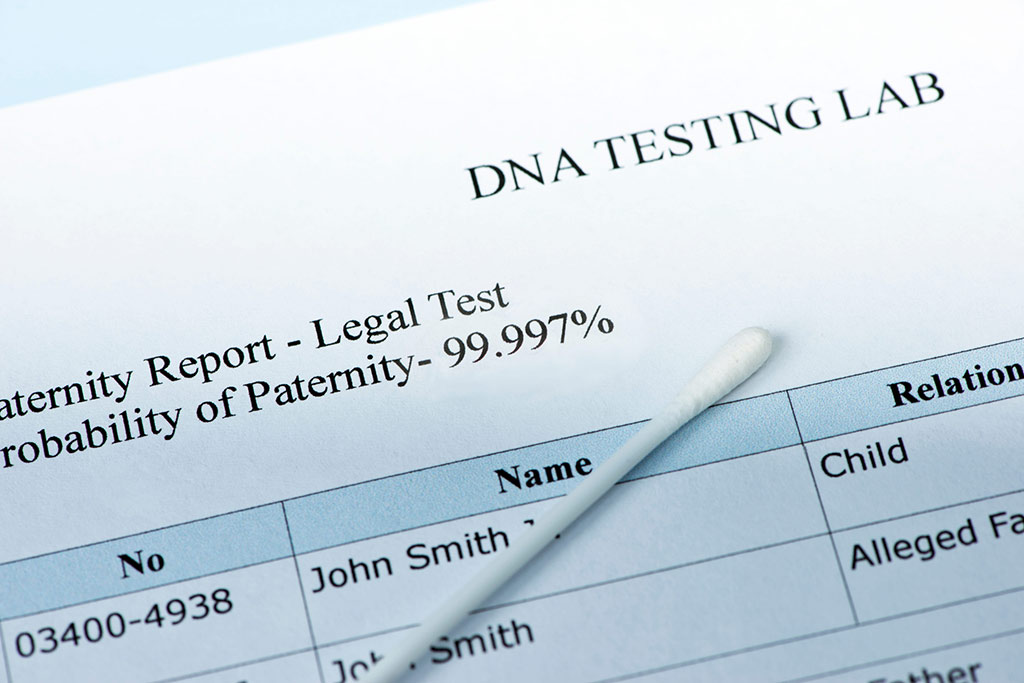
Legal testing involves more documentation than a personal-use test. Depending on the exact situation, paperwork can help show who was tested, why the test was done, who collected the samples, how the samples were handled, and where they were sent for testing. Missing forms, incomplete ID information, inconsistent records, or other documentation problems can raise questions about the test and make it inadmissible in court. That is why it’s important to work with an experienced lab with the knowledge to provide clearly documented legal paternity testing, with all necessary paperwork in place.
An Unapproved Location Was Used
In some cases, the court will order a paternity test. When this happens, the court may designate specific options for where the paternity test can be performed. Not every DNA testing provider has the same procedures, and courts might have specific expectations about labs, testing standards, documentation, or accreditation. Requirements can also vary depending on the court’s jurisdiction and the type of case.
Instead of assuming that the court will automatically accept any lab’s test, it’s always best to ask if the lab you want to use is approved by the court handling your case. If you collect samples yourself or use a lab or a method that doesn’t meet the court’s requirements, the results you get might not be usable in court, and you’ll have to get another test done.
A Clear Result Isn’t Always Enough
It can be frustrating to learn that a DNA test with a clear result isn’t always enough for court. However, the separation between legal and non-legal DNA tests is important and makes sense. Courts need DNA results to be clearly tied to the correct people and collected through a process that follows the required testing procedures.
If you’re heading into a court case that requires you to prove a child’s paternity, it’s always best to speak to the court about the requirements they have for the testing, find a lab that meets those requirements, and get an in-person, legal paternity test to ensure it will be accepted as evidence in court.
Choose the Right Provider for Your Paternity Test
If there’s even a chance that the paternity test you’re getting will need to be used in court, choosing the right lab from the beginning can help you avoid unnecessary delays and complications. At Mobile Drug Screen, we offer both legal and non-legal paternity testing options for anyone seeking DNA testing services. Our lab technicians are highly experienced in handling court-ordered, legal paternity tests, and we can walk you through the process to ensure that your test results meet legal standards. Contact us today to schedule an appointment for your paternity test.