
What Documents Are Needed for a Legal Paternity Test?
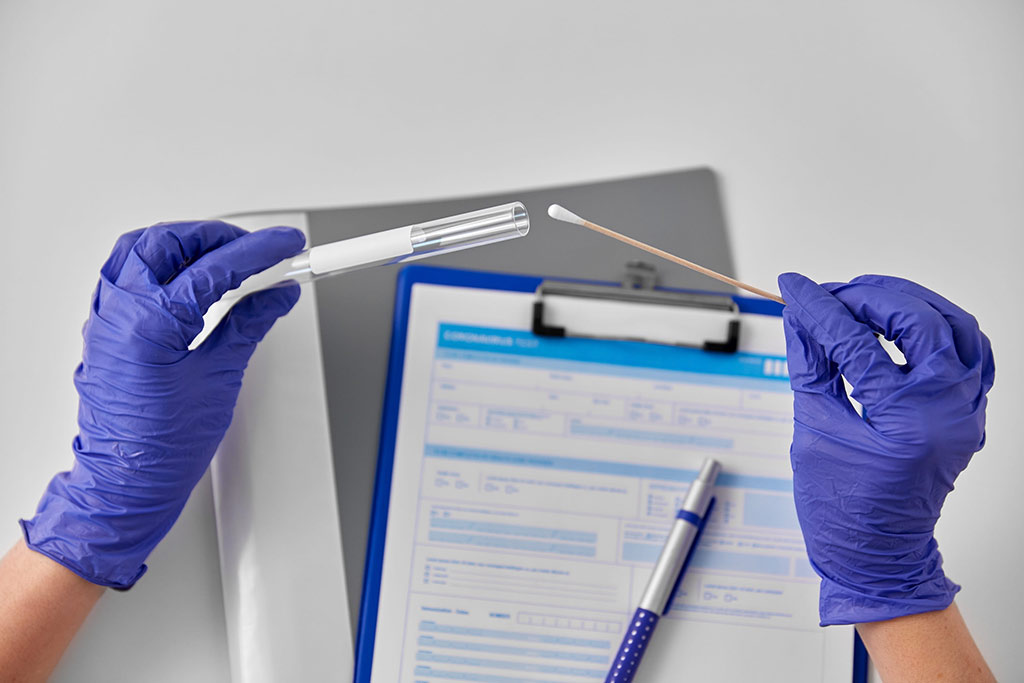
You can get paternity testing in Jackson, MS, for peace of mind or legal purposes. If you want a paternity test that can be used in court for things like child support, custody, inheritance, or other legal issues, you need a legal paternity test, one that follows strict rules about documentation and testing procedures. If you want to avoid delays with your legal paternity test, the best thing to do is make sure you show up with the right paperwork and ID. The exact documents you need can vary based on the situation, the court order, and the lab, but here are a few basic documents typically required at any DNA testing location.
Government Photo ID for Adults
Any adult having their DNA tested will need a government-issued photo ID. This could be a driver’s license, state ID card, passport, or another accepted form of ID. These are used to verify that the person providing the DNA sample is the same person named on the test report. Remember that accepted ID types can differ by lab. Some providers may have rules about whether an ID can be expired, what information it must include, or other requirements. It’s a good idea to confirm what ID is accepted in advance instead of just assuming any photo ID will do.
ID or Other Records for the Child
The child being tested may also need ID or another form of documentation. Depending on the child’s age and the lab’s testing procedures, this could be a birth certificate, ID card, passport, or another record that helps prove the child’s identity. Requirements can be different for babies and very young children. A baby likely won’t have a government ID, so they’ll usually take another form of identification, like a birth certificate. Again, verify with the lab what documents are acceptable for your child.

Court Documents and Case Information
If a paternity test is connected to a court case, you should bring any relevant court papers that the testing provider has asked for. This might include a court order requiring DNA testing, or other documents that show the legal case number. Court paperwork helps the lab understand why the testing is being done and what procedures it must follow.
Of course, you don’t have to have a court order to get a legal paternity test. Many people get one as a safety net, knowing the results can be used in court later if needed. In those situations, you wouldn’t need to worry about bringing any court documents with you.
Testing Provider’s Forms
A legal paternity test usually includes some paperwork that the lab asks you to fill out. This can include information forms, consent forms, and other important paperwork. While you’re often asked to fill these out after arriving, some labs might ask you to fill them out in advance. If you fill them out ahead of time, be sure to bring them with you.
No matter where you fill them out, complete the forms carefully. Take the time to double-check that all sections are filled out and everything is spelled correctly. Simple errors can create confusion and delay your testing.
Why ID Matters for Legal Testing
The paperwork needed for a legal paternity test isn’t just busywork or bureaucratic red tape. It’s an important part of the process, and it ensures the DNA samples are tied to the right people. ID helps establish who provided each sample and helps track the chain of custody for those samples. This matters because legal DNA results must be linked to the people tested, with a clear record of everyone who handled the samples during testing. If a DNA sample is collected while going through ID verification, it won’t be usable in a court of law.
Preparing before Can Prevent Delays
Being prepared can make your appointment process much easier. Missing IDs or paperwork might add steps to the process, or even force you to reschedule your appointment. So, before you go, review any instructions you’ve gotten from the lab. Make sure you know who needs to come, what IDs are accepted, and whether other forms need to be filled out beforehand.
If more than one person is being tested, verify the requirements for each person. Adults and kids may have different document and ID requirements, so it’s always a good idea to double-check what the test provider will accept.
Requirements Might Vary
While this list is a good starting point for most legal paternity tests, no single document checklist applies to every case. Requirements can vary based not only on the lab you use, but also on the people being tested, the ages of the children being tested, whether a court orders the test, and any specific requirements the court adds. For that reason, treat this list as general guidance, not a replacement for following lab instructions.
When in doubt, always contact your test provider and ask what documents to bring before your appointment. A short conversation with a lab tech can help you know what documents to bring and whether anything needs to be filled out ahead of time, preventing costly delays.
Be Prepared for Your Legal Paternity Test
Legal paternity testing involves more than just collecting DNA. Proper identification and careful documentation help ensure the right people are tested and support the chain-of-custody process required for the test results to be used in court. Having the right paperwork ready can prevent unnecessary delays and make your appointment go much more smoothly. Always confirm specific document requirements with your test provider beforehand. If you need a legal DNA testing service, contact Mobile Drug Screen today to schedule an appointment or speak with a team member about the documents needed for your specific case.