
What to Do If the Father Refuses a DNA Test for Child Support

Establishing paternity with accurate DNA testing in Jackson, MS, is an important step for qualifying for child support, especially when the parents are not married. A common roadblock happens when the alleged father refuses to take a DNA test, and that can feel stressful and frustrating. In many cases, a refusal does not stop the process. Courts can still move a case forward and may order testing as part of the child support process. This article breaks down the available options, explains how the legal process typically works in Mississippi, and outlines steps you can take to keep the case moving if the father refuses to take a DNA test.
Why Establishing Paternity Matters
Before a court can order child support, legal paternity needs to be established. This confirms who the child’s biological father is and ensures the child gets financial support, access to benefits, given inheritance rights, and medical history data. In many cases, parenthood is voluntarily verified, such as when both parents sign a birth certificate. But when there is a disagreement or uncertainty about parenthood, courts rely on DNA testing to determine who the legal father is.
Father Refusing a DNA Test for Paternity
If you simply ask the suspected father to take a DNA test privately, he does have the right to refuse your request. There are no laws or legal requirements to force the potential father to follow through on your informal request to take the DNA test. However, this refusal usually leads to the next step: taking the matter to court. Once a legal case is filed, the situation changes significantly.
Next Steps After Filing a Paternity Test
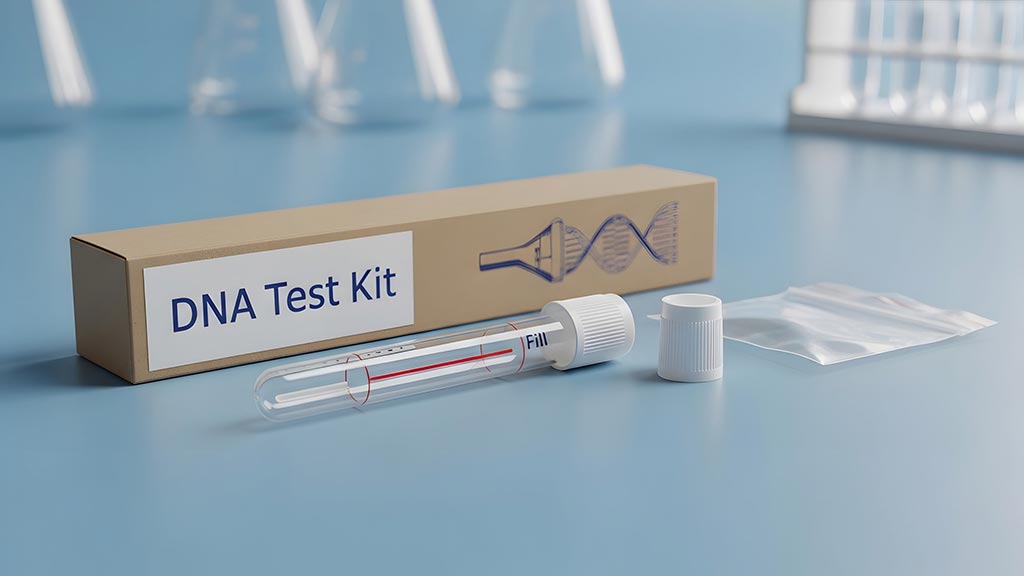
If the father refuses to take a DNA test when you request it privately, you can file a petition to establish paternity with your local court or a child support agency. Once a case is opened, a judge has the legal authority to require DNA testing. This typically involves a simple cheek swab from the mother, child, and expected father. Courts generally approve these requests when there is a good reason to believe the man is the father, especially because verifying who the father is is considered to be in the child’s best interest. Once a court order is issued, the suspected father is legally required to take the DNA test.
 Refusing a Court-Ordered DNA Test
This is where many people are surprised: refusing a court-ordered test can actually work against the person you suspect of being your child’s father. Here are a few of the potential penalties of refusing a court-ordered DNA test:
- He Can Be Declared the Father by Default: If the father ignores or refuses a judge’s order, the court can issue something called a “default judgment,” legally naming him as the child’s father, even without DNA evidence. In other words, refusing the test does not prevent paternity from being established, and it actually might guarantee it. This is sometimes called “adverse inference,” which basically means that the court assumes he’s refusing the test because he knows what it will show. So, the court assumes he’s the father.
- He Can Be Ordered to Pay Child Support: Once paternity is established (even if it’s only by default), the court can order monthly child support payments, retroactive child support, health insurance coverage for the child, and other child-related expenses. All of these orders are legally binding, so if he continues to refuse, the courts will move on to step three.
- He Can Be Held in Contempt: Refusing a court order is serious. A judge can hold the father in contempt of court, which means he can face fines, be required to pay legal fees, and, in extreme cases, even face jail time.
Steps You Should Take If He Refuses
If you’re dealing with a suspected father who’s refusing to take a DNA test, here’s how to move forward effectively:
- File a Petition to Establish Paternity: Start by filing a case with your local family court and/or your state’s child support enforcement agency. This officially starts the legal process and allows the court to get involved in the matter.
- Request Court-Ordered Genetic Testing: Make it clear in your filing that you need to establish paternity, and request DNA testing. Courts grant these kinds of requests all the time, as long as there’s a clear reason for you to suspect the man is the father.
- Attend All Hearings and Comply with Requirements: Be sure to show up to all scheduled court dates, follow any instructions from the court, respond to all needed correspondence, and provide any documents necessary to help your case. Cooperating quickly and eagerly strengthens your case and keeps the process moving.
- Keep Records and Evidence: While DNA testing is the clearest proof of paternity, other evidence can support your case, including things like text messages or other communication records with the father, records showing a history of financial support, witness statements, and photos or other evidence proving you had a relationship. This information can be helpful, especially if the father continues to avoid testing.
- Work with a Family Law Attorney If Possible: While you don’t need one to demand paternity testing from a suspected father, a family law attorney can do things like help file paperwork correctly, represent you in court, and advocate for child support and enforcement. If the cost of an attorney is a concern, many states offer assistance through child support agencies at little or no cost.
When You Are Unsure Who the Father Is
In some cases, more than one man may be a possible father. Courts can order multiple people to take a DNA test until paternity is confirmed. This ensures the correct person is found and held responsible for the child’s financial support.
Typical Paternity and Child Support Timeline
The timeline for all of this varies depending on many factors, like how hard the father fights court orders, the court’s schedules for these kinds of hearings, and some state-specific procedures. If the father cooperates with the court, you can get paternity test results relatively quickly. If he refuses, there may be a few delays, but courts can move forward using default judgments or enforcement measures, so those delays will only be temporary.
Remember What Your Rights Are
Remember, if a father refuses a DNA test, that does not stop the legal process. In fact, his refusal can often strengthen your case rather than weaken it or bring it to a halt. While a father can legally refuse your personal request for a DNA test, he can’t refuse a court order. Courts can compel testing once a case is filed, and refusal of a court order can lead to a default judgment of paternity. Ultimately, child support can still be ordered without DNA results, and the father can face additional penalties, including contempt of court, if he refuses to cooperate.
Facing a refusal can feel like a major roadblock in your child support case, but legally, it’s rarely the hurdle it first seems to be. Courts are meant to look out for the best interests of the child, which includes establishing paternity and ensuring they get financial support. If the alleged father refuses to cooperate, the legal system gives you the tools to move forward. Taking quick legal action instead of fighting over the matter one-on-one is the most effective way to protect your rights and your child’s rights, and secure the support you both deserve.
If you’re looking for a legal paternity test in Jackson, MS, Mobile Drug Screen offers the professional, certified DNA testing you need to get results that hold up in court. Contact us to schedule an appointment for a paternity test today.